Understanding Real Estate Development
Definition and Process
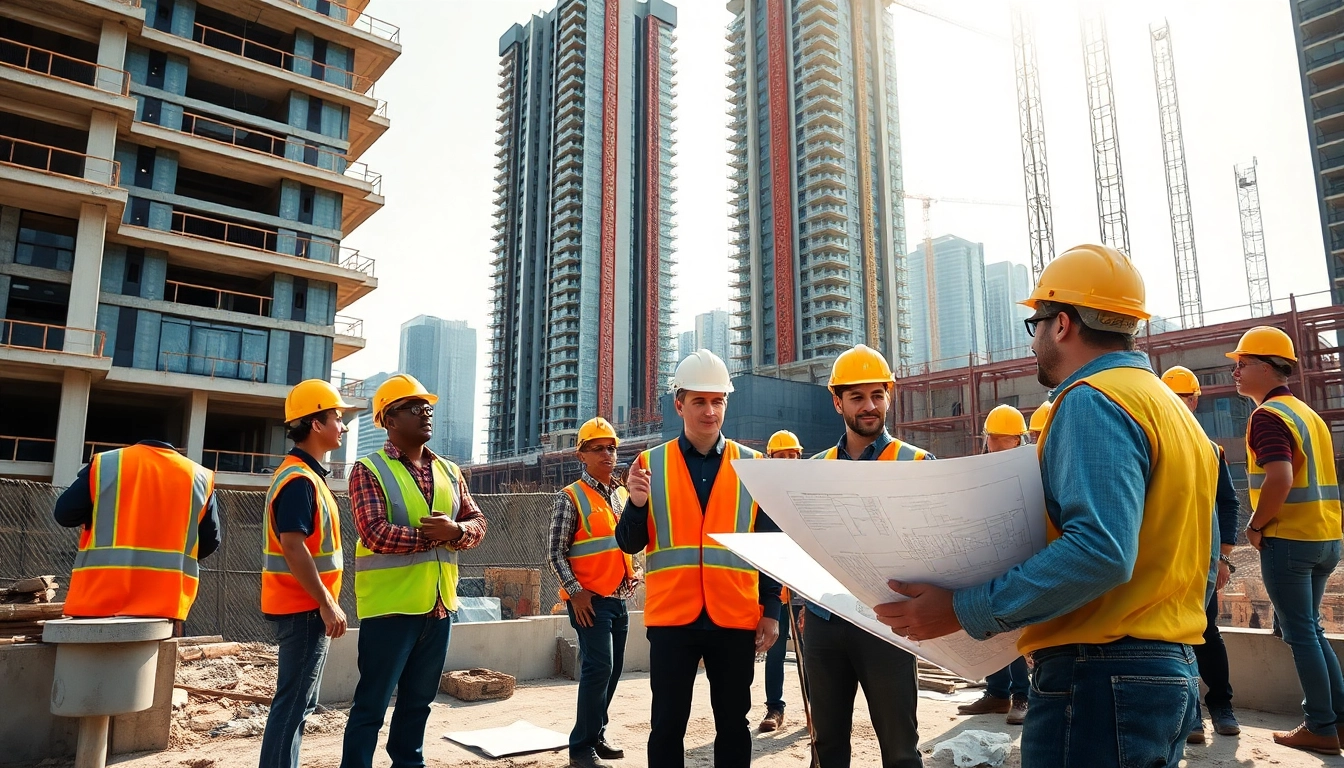
Real estate development is a multifaceted process that involves acquiring land or existing properties, improving them via strategic planning and construction, and eventually selling or leasing for profit. This process may seem straightforward, but it encompasses various stages including design, financing, obtaining necessary approvals, and construction management. The complexity of these phases requires collaboration among different professionals, from architects and engineers to marketers and financiers, all working towards the ultimate goal of asset appreciation and occupancy.
Types of Real Estate Development
There are several primary categories of real estate development, each serving different markets and demands:
- Residential Development: This type includes single-family homes, multi-family units, and apartments. It focuses on creating living spaces that cater to diverse inhabitants.
- Commercial Development: Encompassing office buildings, retail centers, and warehouses, commercial development centers on properties intended for business purposes.
- Industrial Development: This involves developing land for factories, distribution centers, and manufacturing plants, often requiring specific zoning and infrastructure.
- Mixed-Use Development: Combining residential, commercial, and sometimes industrial properties, mixed-use developments aim to create integrated spaces that can serve multiple community needs.
Importance in the Economy
Real estate development plays a pivotal role in economic growth. It generates jobs, stimulates local economies, and increases property tax revenues, which can be reinvested into communities. Furthermore, successful developments can enhance urban environments, leading to revitalization and increased demand in surrounding areas. As the population continues to grow, the need for well-planned developments becomes ever more crucial to meet housing, commercial, and industrial needs.
Starting Your Journey in Real Estate Development
Education and Licenses Required
To embark on a career in real estate development, foundational education and appropriate licensing are essential. Many developers begin with a degree in architecture, urban planning, business, or finance. Furthermore, obtaining a real estate license can streamline the development process, enabling individuals to acquire properties legally and manage transactions effectively.
Building a Network of Professionals
Networking is indispensable in real estate development. Building relationships with professionals such as real estate agents, accountants, architects, builders, and city planners can provide vital resources and insights. Participating in local business organizations, attending industry conferences, and joining real estate associations are effective ways to expand your network.
Finding Mentorship and Partnership Opportunities
Real estate development can be daunting for newcomers, making mentorship crucial. Finding an experienced developer willing to share insights and guidance can significantly shorten the learning curve. Additionally, partnerships can bring together complementary skills and resources, enhancing the potential for success while distributing risk among the stakeholders.
Essential Skills for Real Estate Development
Project Management Skills
Strong project management skills are essential for coordinating numerous tasks simultaneously. Developers must manage timelines, budgets, and teams effectively to ensure projects remain on track and within financial parameters. Familiarity with project management software and methodologies can amplify efficiency.
Financial Acumen and Investment Strategies
Understanding financial concepts and investment strategies is critical in real estate development. Developers need to analyze market trends, financing options, and budgets to make informed decisions. Knowledge of cash flow analysis, return on investment (ROI), and cost estimation methods are essential for maximizing profitability.
Marketing and Sales Techniques
Successful development not only relies on creating quality properties but also on effective marketing and sales. In today’s digital landscape, developers should leverage online marketing strategies, social media, and traditional advertising to attract buyers or tenants. Building a brand that resonates with target markets can significantly influence the success of a development project.
Navigating Challenges in Real Estate Development
Common Pitfalls to Avoid
While embarking on a real estate development venture can be exciting, it is fraught with common pitfalls. Failing to conduct thorough due diligence, underestimating costs, or misjudging market demand can lead to significant setbacks. Setting realistic goals and incorporating contingency plans is vital to navigating these challenges.
Regulatory and Zoning Challenges
Real estate developers often face regulatory hurdles. Zoning laws, building codes, and environmental regulations can significantly impact a project’s approval timeline and feasibility. Maintaining open communication with local governmental bodies can provide guidance and help anticipate potential regulatory hurdles.
Market Fluctuations and Economic Factors
Real estate markets are notoriously cyclical and can be affected by various external economic factors. Developers must remain agile and informed about market trends, interest rates, and economic forecasts. Adapting strategies in response to changing market conditions is essential for long-term success.
Measuring Success in Real Estate Development
Key Performance Indicators (KPIs)
To evaluate the success of a development project, implementing key performance indicators (KPIs) is essential. Common KPIs include occupancy rates, revenue per square foot, return on equity, and overall project profitability. Monitoring these metrics can help inform future investment decisions and operational adjustments.
Evaluating Investment Returns
Assessing investment returns is a critical factor in determining the viability of real estate development. Calculations like internal rate of return (IRR) and net present value (NPV) allow developers to gauge profitability and compare projects. Understanding these metrics can aid in making better investment choices and fostering financial growth.
Future Trends in Real Estate Development
As the real estate landscape evolves, staying ahead of trends is crucial. Sustainability and eco-friendly building practices are increasingly in demand, along with smart technology integration in residential and commercial properties. Adapting to these shifts can create competitive advantages in attracting buyers or tenants who prioritize innovation and environmental responsibility.
FAQs about Real Estate Development
What is real estate development?
Real estate development is the process of acquiring land or properties, improving them through planning and construction, and ultimately selling or leasing for profit.
What education is needed to become a real estate developer?
A degree in fields such as architecture, urban planning, business, or finance is often beneficial. Obtaining a real estate license can aid in property transactions.
How do I find mentorship in real estate development?
Look for industry professionals through networking events, business organizations, or online platforms. Seek out individuals with experience who are willing to share their expertise.
What are some common challenges in real estate development?
Common challenges include regulatory hurdles, fluctuating market conditions, budget overruns, and misestimating demand for a property type.
How can I measure the success of my development projects?
Key performance indicators (KPIs) like occupancy rates, return on investment, and revenue per square foot can help measure your project’s success and profitability.
Contact Information
Call Us: +1 800-896-5502
Address: 2670 Union Ave, Memphis, TN 38112, United States, Memphis, TN, United States, 38112