
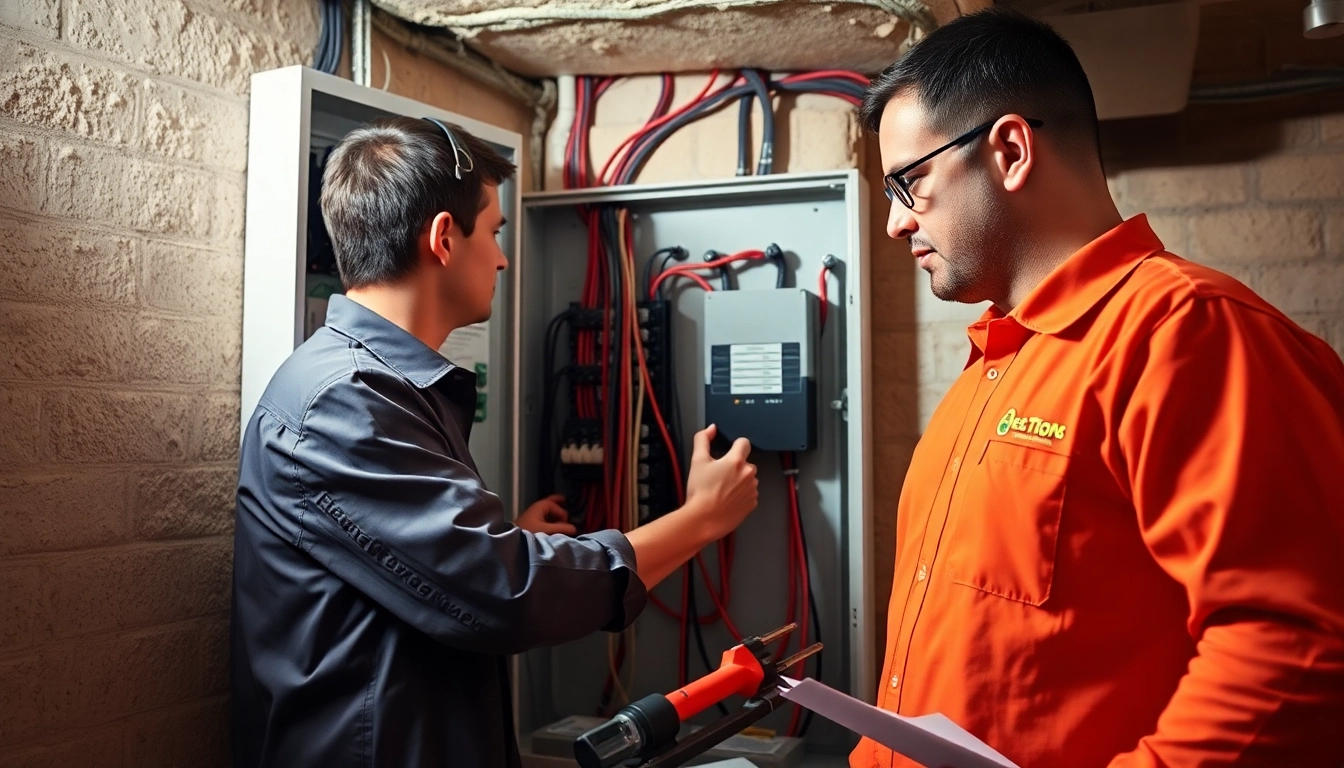
Understanding Electrical Service Maintenance
Definition of Electrical Service Maintenance
Electrical service maintenance is the systematic process of checking, servicing, and repairing electrical systems to ensure they function safely and efficiently. This encompasses regular inspections, cleaning, testing, and the implementation of upgrades to meet evolving safety standards. It serves not just as a precautionary measure, but also as a means to extend the lifespan of your electrical installations and equipment.
Benefits of Regular Electrical Maintenance
Regular electrical maintenance brings numerous advantages that can significantly impact both homes and businesses. Key benefits include:
- Enhanced Safety: Regular inspections can identify potential hazards, such as faulty wiring or overloaded circuits, reducing the risk of electrical fires and accidents.
- Increased Energy Efficiency: Well-maintained electrical systems operate more efficiently, leading to lower energy bills.
- Extended Equipment Lifespan: Routine maintenance ensures equipment is in optimal condition, which prolongs its usable life.
- Cost Savings: Addressing small issues proactively through maintenance can prevent costly repairs in the future.
- Compliance and Liability: Regular maintenance helps ensure compliance with local safety codes, reducing liability risks.
Common Electrical Problems Identified
During electrical service maintenance, technicians often uncover various issues that could impede system functionality. Common problems include:
- Worn-out Wiring: Aging or damaged wires can lead to shorts and failures.
- Overheating Fixtures: Faulty light fixtures or connections can become dangerously hot.
- Tripped Breakers: Frequent tripping may indicate overloading or underlying issues.
- Corroded Connections: Moisture can lead to corrosion, which impairs electrical connectivity.
- Faulty Grounding: Inadequate grounding can pose a significant safety hazard.
Types of Electrical Maintenance Services
Preventive Electrical Service Maintenance
Preventive maintenance aims to prevent potential electrical problems before they occur. This involves routine inspections and scheduled servicing tailored to the specific needs of the electrical system. Strategies include cleaning components, tightening connections, and updating outdated technology.
Predictive Electrical Service Maintenance
Predictive maintenance employs advanced tools and diagnostics to forecast electrical system failures. By monitoring electrical parameters, technicians can predict when a failure might occur, allowing for timely interventions that can save time and resources in the long run.
Corrective Electrical Service Maintenance
Corrective maintenance takes place after a fault is detected. This type of service is essential for restoring systems to operational status. It involves problem detection, isolation, and correction to ensure reliable functionality moving forward.
Essential Electrical Maintenance Practices
Regular Inspection Checklist for Homeowners
Homeowners should carry out routine checks to maintain electrical systems effectively. A simple checklist may include:
- Check for flickering lights.
- Examine outlets for scorching or discoloration.
- Test smoke detectors and replace batteries.
- Evaluate circuit breakers for frequent tripping.
- Inspect visible wiring for damage.
Maintenance Tips for Commercial Properties
For businesses, electrical service maintenance is critical for operational continuity. Consider the following best practices:
- Schedule bi-annual professional inspections.
- Establish a routine cleaning and organization protocol for electrical rooms.
- Implement energy management systems to monitor usage patterns.
- Maintain an updated inventory of electrical systems and service history.
Best Practices for Safety and Efficiency
Implementing best practices ensures safety and operational efficiency. Key guidelines include:
- Limit access to electrical systems to authorized personnel only.
- Ensure proper lighting in electrical maintenance areas.
- Keep spaces surrounding electrical devices clear of clutter.
- Utilize protective equipment when handling electrical components.
Choosing the Right Electrical Service Provider
What to Look for in an Electrical Maintenance Company
When selecting a provider for electrical service maintenance, consider the following criteria:
- Licensing and Insurance: Ensure the company is licensed and adequately insured to handle electrical work.
- Experience and Qualifications: Look for providers with a proven track record in the industry and qualified technicians.
- Customer Reviews: Investigate feedback from previous clients to gauge the quality of service offered.
- Comprehensive Services: A well-rounded provider should offer various maintenance options.
Questions to Ask During Consultations
During consultations with potential service providers, it is vital to ask critical questions to ensure they meet your needs:
- What types of electrical maintenance services do you offer?
- How do you handle emergency repairs?
- Can you provide customer references?
- What are your standard response times for urgent issues?
Evaluating Customer Reviews and Feedback
Customer reviews offer vital insights into a company’s reliability and service quality. Check online platforms for feedback and testimonials. Look for patterns in comments regarding promptness, professionalism, and overall satisfaction to make a well-informed decision.
Frequently Asked Questions (FAQs)
What are the four types of electrical maintenance?
Electrical maintenance consists of preventive, predictive, corrective, and breakdown types. Each type addresses unique aspects of electrical system upkeep.
Why is electrical service maintenance important?
Electrical service maintenance is essential for safety, energy efficiency, and reliability. It helps prevent failures and extends the lifespan of electrical systems.
How often should electrical systems be maintained?
It is advisable to maintain electrical systems at least once a year. Semi-annual checks may be necessary for systems with higher usage demands.
Can I perform electrical maintenance myself?
While some minor checks can be done independently, most maintenance should be conducted by licensed professionals to ensure safety and compliance with industry standards.
What signs indicate my electrical system needs maintenance?
Signs include frequent circuit breaker tripping, flickering lights, unusual smells, and warm or hot outlets. These often indicate underlying problems requiring immediate attention.
Contact Information
Call Us: 780 454 6490
Email: [email protected]
Address: 12925 148 Street NW Edmonton, AB T5L 2H9