Robot dogs are showing up in more discussions about inspection, security, research, and remote work. Their appeal comes from a clear mix of shape, sensors, and control options, but interest alone doesn’t prove that they fit every job.
- Four legs help the robot cross steps, rough floors, and small gaps.
- Cameras and other sensors let an operator inspect places that may be unsafe or hard to reach.
- The business case depends on repeatable tasks, service support, and battery time.
A shape that fits difficult floors
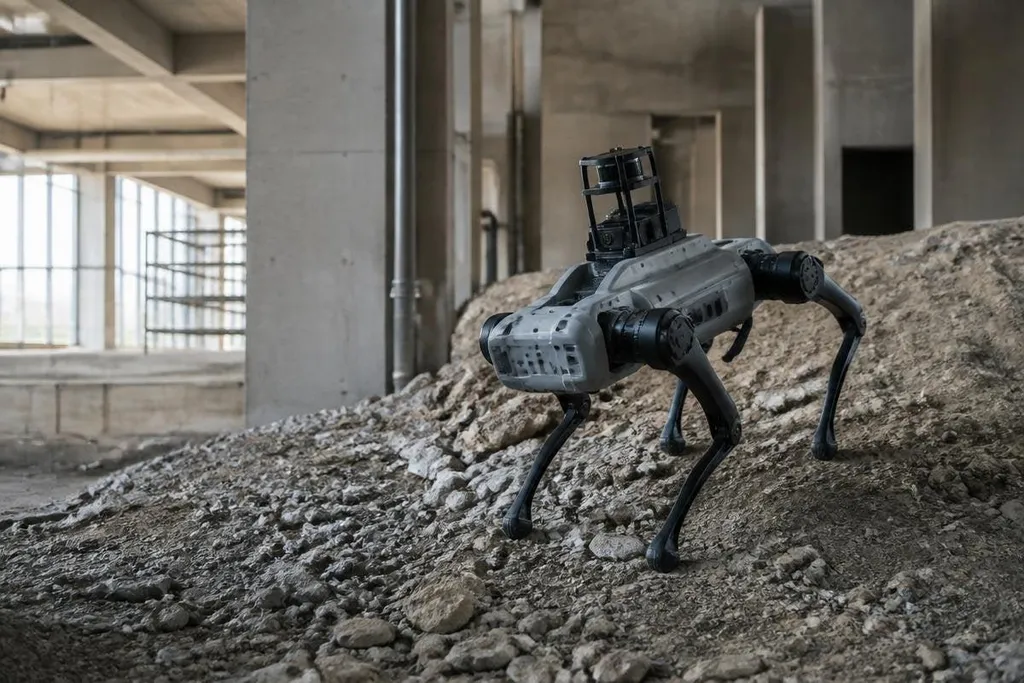
Wheels work well on smooth ground. Robot dogs can handle a wider set of surfaces because each leg can lift, place, and adjust on its own.
That makes stairs, loose ground, raised thresholds, and narrow walkways easier to approach than they are for many wheeled platforms.
The benefit is practical. A site team may need to inspect equipment across a plant, tunnel, yard, or construction area without sending a person to every location. The robot can carry cameras and move through places where a wheeled machine may stop.
Legs also create new failure points. Each foot has motors, joints, wiring, and control software. A wheel has fewer moving parts, so a robot dog can cost more to maintain even when both platforms carry the same sensor.
Sensors turn movement into useful work
Walking is only part of the reason people look at robot dogs. The useful payload is often the sensor package: cameras for visual checks, microphones for sound, thermal cameras for heat, or LiDAR for measuring distance and building a map.
That package can turn a moving platform into an inspection tool. A technician may use it to check pipes, machines, rooms, or outdoor routes from a safer position. The value comes from repeatable data, not from the robot crossing a room on video.
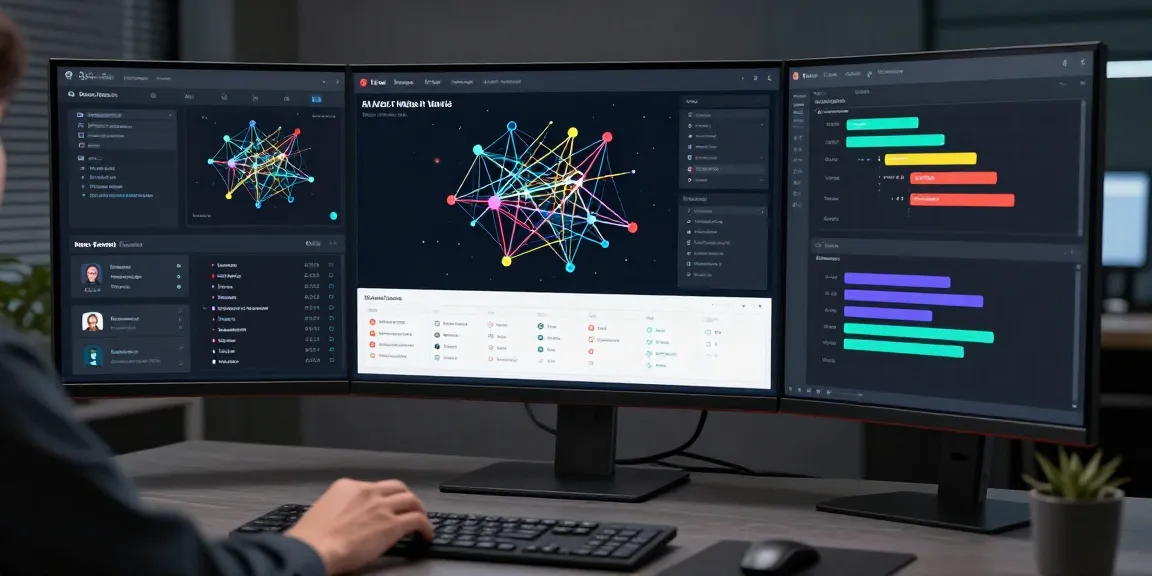
Remote control matters when the robot faces a task its software cannot handle alone. An operator can guide the robot around an object, change its view, or stop it when the route becomes unsafe. This keeps the machine useful while autonomous control remains limited.
Remote control changes how you judge a robot dog: the operator remains part of the system. Reports at Robot 24 can place that setup beside the job, site, and limits the robot faced. That matters before you count labor saved, because a remote operator still takes time.
Why the business case stays hard
A robot dog still needs a clear job. A machine that walks well but saves no labor, reduces no risk, or gathers no useful data is an expensive demonstration.
Battery charging can also shape the work plan. A robot that needs frequent stops may suit short inspections but struggle with long routes. Weather protection, dust resistance, payload weight, network coverage, and repair time matter just as much as walking ability.
The operator remains part of the system in many deployments. That means you need training, a safe control area, spare parts, and a plan for lost communications. The robot’s purchase price is only one part of the cost.
I’d treat robot dogs as inspection platforms first and general workers second.
What to check before buying
Use this short checklist before a trial or purchase:
- Name the task: Write down the route, sensor work, and result you need from each run.
- Check the ground: Test stairs, thresholds, loose surfaces, wet areas, and tight turns on the real site.
- Measure the data: Decide which images, sounds, heat readings, or maps the team must receive.
- Plan control: Confirm how an operator stops, redirects, and recovers the robot after a fault.
- Price the support: Include batteries, charging gear, software, training, repairs, and spare parts.
- Set a pass mark: Choose a result that makes the trial worth repeating, such as fewer site visits or better inspection records.
That last point keeps the trial tied to work. If the robot cannot produce a useful result under normal site conditions, its walking skill has little business value.
Interest in robot dogs will keep growing while they offer a visible way to combine movement, sensors, and remote control. The next useful proof is a repeatable task record from a real site, with the work gained and the support cost shown beside it.