
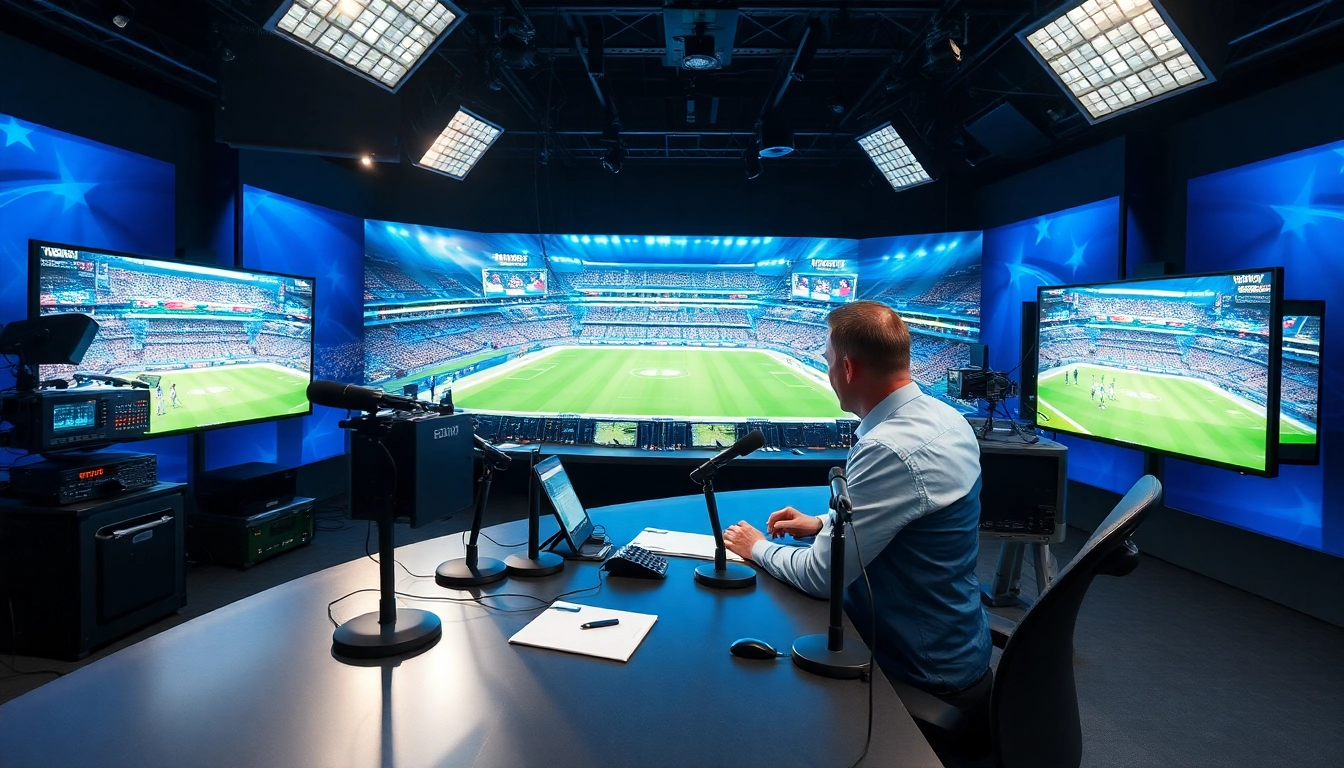
Understanding the Basics of Sports Broadcasting
What is Sports Broadcasting?
Sports Broadcasting refers to the live or recorded transmission of sports events via television, radio, or online platforms. It is a multi-faceted industry that encompasses various roles, from production to on-air personality, including commentators and analysts. The primary goal is to deliver thrilling sports experiences to audiences around the globe, making them feel connected to the excitement of the event, whether they are at home or on the go. For those keen on exploring more about Sports Broadcasting, understanding its core elements is essential.
The Evolution of Sports Broadcasting
The journey of sports broadcasting has been nothing short of revolutionary. It began in the early 20th century with radio broadcasts of live games, granting fans unprecedented access to distant events. The arrival of television in the mid-20th century transformed the industry, providing visual storytelling that brought the action into living rooms. Today, the rise of online streaming and digital media has led to on-demand content availability, offering greater flexibility and personalization for viewers. As technology continues to advance, sports broadcasting must adapt to meet the expectations of the modern audience.
Key Roles and Responsibilities in Sports Broadcasting
Within the realm of sports broadcasting, several key roles contribute to the overall production quality. These include:
- Commentators: They provide real-time analysis and play-by-play reporting, engaging viewers with their insights and personality.
- Producers: Responsible for the overall planning and execution of live broadcasts, ensuring efficient operations behind the scenes.
- Video Editors: They edit footage for news segments, highlights, and post-event analysis, elevating the viewing experience.
- Cameramen: They capture the action, employing various camera angles to enhance the storytelling aspect of broadcasts.
- Sound Engineers: They manage audio quality, ensuring clear commentary and ambiance sound that immerses the viewer.
Essential Equipment for Effective Sports Broadcasting
Microphones and Audio Tools
High-quality audio is paramount in sports broadcasting. Microphones are an essential part of the broadcast toolkit and vary in type depending on the requirements of the event. Field mics capture ambient sounds, while lavalier mics are often used for on-screen interviewers and sportscasters to ensure clear audio without distraction. Additionally, audio mixing consoles enable sound engineers to balance levels between commentary, field sounds, and music seamlessly.
Visuals: Cameras and Production Gear
The visual aspect of sports broadcasting relies heavily on the choice of cameras and production gear. Multi-camera setups are standard, allowing for dynamic coverage of the event. High-definition and 4K cameras provide sharp images that make every detail of the play visible, while robotic and drone cameras offer unique perspectives, enhancing viewer engagement. Moreover, production switchers are crucial for managing camera transitions in real-time and ensuring a smooth viewing experience.
Broadcasting Software and Technology
In this age of digital transformation, broadcasting software plays a significant role in sports production. Software solutions provide functionalities like real-time graphics generation, live video editing, and audience interaction tools. Advanced analytics and tracking systems are also integrated, allowing broadcasts to include comprehensive statistics and player tracking data that deepen viewer understanding of the game.
Techniques for Captivating Sports Broadcasting
Engaging Storytelling in Sports
Storytelling is at the heart of captivating sports broadcasting. Broadcasters should strive to create narratives around athletes, teams, and events. This involves researching player backgrounds, team histories, and rivalries to deliver a richer experience. Engaging stories not only highlight individual performances but also set the stage for broader themes like perseverance, teamwork, and excellence, resonating with audiences on a personal level.
Effective Communication Skills
Effective communication is essential for delivering engaging sports broadcasts. Broadcasters must articulate their thoughts clearly and confidently while maintaining an appropriate tone that matches the event's atmosphere. Practice, experimentation, and constant feedback help refine these skills, allowing sports commentators to engage audiences while catering to their diverse preferences.
Adapting to Real-Time Situations
Live sports can be unpredictable, leading to unexpected situations that broadcasters must manage skillfully. This requires quick thinking and the ability to adapt on the fly. Broadcasters should maintain composure, effectively utilizing their knowledge and resources to provide insightful commentary during unprecedented events, such as injuries or controversial plays, while keeping the audience informed and engaged.
Challenges in the Sports Broadcasting Industry
Handling Technical Difficulties
Technical difficulties remain a constant challenge in sports broadcasting. From issues with audio feeds to video disruptions, these can significantly impact the viewer experience. To mitigate such risks, detailed pre-event checks, employing backup systems, and having technical personnel on standby contribute to seamless productions. Additionally, contingency plans ensure that broadcasts continue despite minor issues.
Maintaining Audience Engagement
Engaging viewers in today’s fast-paced media landscape requires a strategic approach. Broadcasters must continually innovate content delivery by integrating interactive elements, such as fan polls, live chats, and social media engagement. Personalizing experiences and adapting to viewer preferences are vital for retaining and expanding audiences in a competitive industry.
Ethical Considerations in Sports Broadcasting
Sports broadcasters must adhere to ethical standards to maintain credibility and trust with their audiences. This includes accurate reporting, fair representation, and sensitivity to the diverse backgrounds of viewers. Prosthetic narratives that exploit athletes’ personal hardships for dramatic effect should be avoided, as they can undermine the integrity of the sport and its figures.
Future Trends in Sports Broadcasting
The Impact of Streaming Platforms
Streaming platforms have revolutionized the way content is consumed, particularly in sports broadcasting. Live events are more accessible, allowing audiences to choose when and where to watch. Cleared channels for niche sports have emerged, and partnerships with social media networks enhance visibility. As subscription models continue to proliferate, broadcasters must navigate new revenue streams while delivering engaging content to maintain viewer loyalty.
Emerging Technologies in Broadcasting
Emerging technologies like augmented reality (AR) and virtual reality (VR) are set to redefine the sports broadcasting landscape. These technologies offer immersive experiences that allow viewers to engage with events in unprecedented ways. Utilizing AR graphics can deliver real-time data overlays, while VR can offer virtual attendance options, thus making the viewing experience more interactive and enhancing fan engagement.
Shifts in Audience Preferences and Behavior
The sports broadcasting audience is continually evolving, impacted by changing preferences driven by technology and societal trends. Younger audiences often prefer quick, bite-sized content accessible via mobile platforms, while older demographics may appreciate traditional formats. Understanding these shifts is paramount for broadcasters to cater to diverse audience segments while ensuring content remains relevant.
FAQs
What qualifications do I need for a career in sports broadcasting?
A degree in journalism or communications is often beneficial. Practical experience through internships, volunteering, or working on college broadcasts also helps develop necessary skills.
How has social media influenced sports broadcasting?
Social media allows real-time interaction with fans, enhancing engagement. It serves as a platform for highlights, commentary, and promotional content, catering to a younger audience.
What role does analytics play in sports broadcasting?
Analytics provide insights on player performance, team strategies, and audience preferences, allowing broadcasters to create more tailored and informative content for viewers.
Can I watch sports broadcasts online?
Yes, many sports broadcasters offer online streaming services for live events, highlights, and replays, often accessible through subscriptions or free networks.
What are the biggest challenges in sports broadcasting today?
Challenges include technical difficulties, the need for engaging content, and maintaining ethical standards while navigating the fast-paced digital media landscape.