
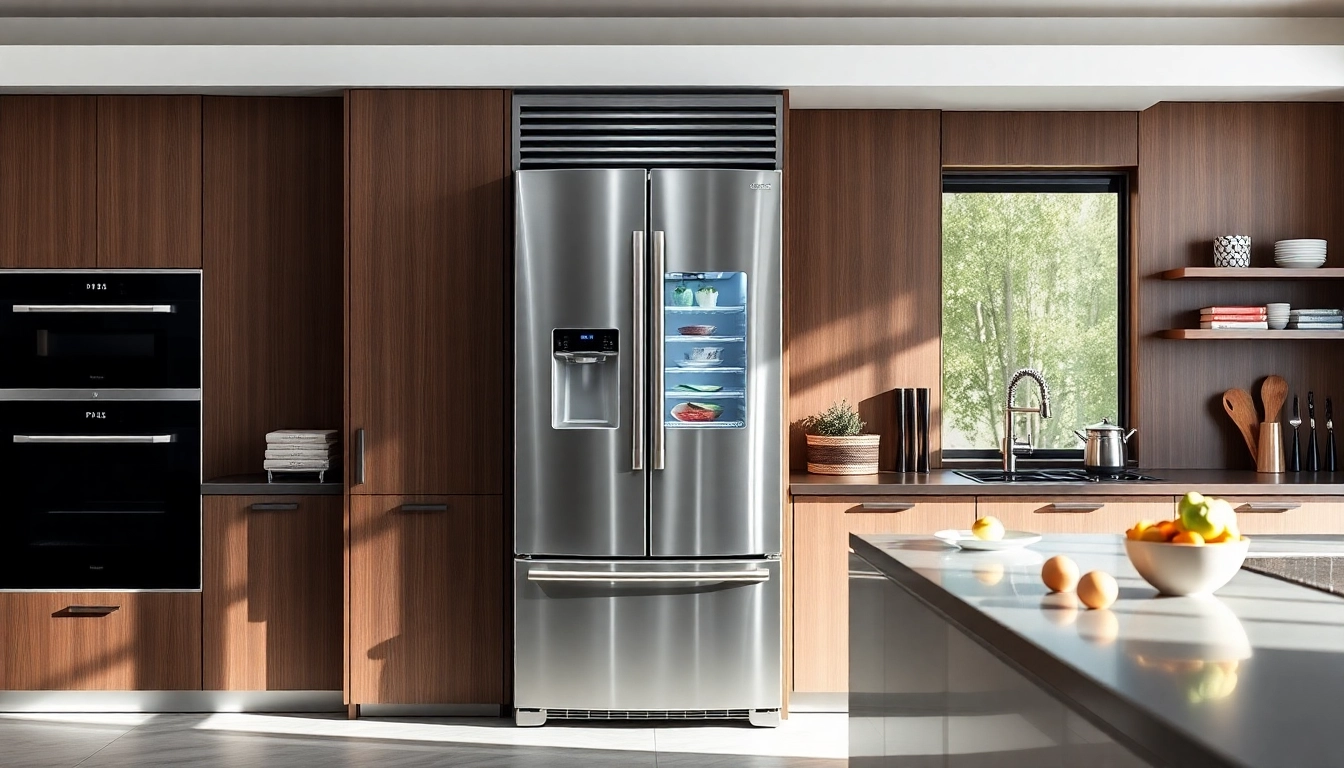
Understanding Types of Refrigerator
Choosing the right refrigerator can drastically influence your kitchen's functionality and your overall food preservation strategy. A well-selected refrigerator not only preserves your food effectively but also complements your kitchen's aesthetic. However, with various options available, it’s essential to understand the types of refrigerators. This section delves into the three main types: Top-Freezer, Side-by-Side, and French Door refrigerators.
Top-Freezer Refrigerator
Top-freezer refrigerators are among the most traditional and popular formats. They feature a classic design with the freezer compartment located on the top and the refrigerator section below. This type is widely praised for its simplicity and efficiency. The advantages include:
- Cost-Effective: Generally more affordable compared to other types, making them budget-friendly for many households.
- Energy Efficient: Often consume less energy due to their straightforward design, which contributes to lower electricity bills.
- Large Storage Space: Typically offer more space in both the refrigerator and freezer compartments for groceries.
Despite their benefits, top-freezer refrigerators may not be suitable for everyone. The need to bend down for lower storage can be less convenient for some users.
Side-By-Side Refrigerator
Side-by-side refrigerators feature two vertical compartments, with the freezer on one side and the fridge on the other. This design allows for easy access to both sections, making it convenient for busy households. Key benefits of side-by-side refrigerators include:
- Space Efficiency: These models are narrower, making them ideal for kitchens with limited space.
- Easy Organization: Adjustable shelves and door storage allow for efficient food organization.
- Water and Ice Dispenser: Many side-by-side models come equipped with a built-in water and ice dispenser, providing convenience at your fingertips.
However, the narrower design can limit the size of items that can fit within. Large pizza boxes or large cookware may require creative placement or removal.
French Door Refrigerator
French door refrigerators blend style and functionality. With two refrigerator doors on top and a freezer drawer at the bottom, they provide a modern aesthetic and impressive storage capacity. Here are their compelling features:
- Flexible Storage Options: The split-door design allows for easy access to frequently used items, while wide shelves accommodate larger items such as trays and large containers.
- Energy Efficiency: Many models boast energy-saving features, as they open only one side at a time, reducing cold air loss.
- Gourmet Fridge Features: Many come pre-equipped with specialty compartments for specific items such as wine and fruits, enhancing food preservation.
This type may be on the higher end of the price spectrum, but the investment can yield significant benefits in organization and efficiency.
Essential Features to Consider
When investing in a refrigerator, it’s critical to pay close attention to key features that suit your lifestyle and kitchen needs. Taking the time to assess these aspects will ensure you select the right appliance.
Size and Capacity
The refrigerator’s size and capacity are paramount in the selection process. Measure your kitchen space and consider factors such as ceiling height and door swings. Standard sizes range from 18 to 26 cubic feet. Additionally, factor in the number of people in your household and your shopping habits:
- Small Households: 18-22 cubic feet often suffice.
- Medium Households: 22-26 cubic feet usually meets storage needs.
- Large Households: 26 cubic feet and above for larger families or heavy shoppers.
Energy Efficiency Ratings
Energy efficiency is an important consideration as refrigerators typically account for about 10-15% of your home's energy consumption. Look for the Energy Star label, which signifies that the appliance meets energy efficiency guidelines set by the U.S. Environmental Protection Agency and the Department of Energy. Opting for energy-efficient models can translate into long-term savings while being eco-friendly.
Additional Features and Accessories
Modern refrigerators come equipped with numerous features designed for convenience and enhanced functionality. Look for features that specifically align with your needs:
- Smart Technology: Some models feature Wi-Fi connectivity, allowing you to monitor and control temperatures remotely.
- Ice and Water Dispensers: While convenient, assess whether this feature will be used frequently.
- Humidity-Controlled Crispers: These maintain optimal moisture levels to preserve fruits and vegetables.
Evaluate which features will benefit your daily kitchen tasks, being mindful of the initial cost versus long-term benefits.
Cost and Budgeting for Your Refrigerator
Beyond the features and types, budgeting for your refrigerator is essential. Prices can vary widely based on the type, brand, and features. Understanding the cost breakdown can assist you in making an informed decision.
Average Price Ranges
The cost of refrigerators can span from $500 to over $3,000. Here's a generalized pricing guide based on types:
- Top-Freezer Refrigerators: Typically range from $500 to $1,200.
- Side-By-Side Refrigerators: Average costs fall between $800 and $2,500.
- French Door Refrigerators: Generally range from $1,200 to over $3,000, depending on added features.
Shop around and compare features to ensure you’re getting the best value for your money.
Long-Term Savings with Energy Efficient Models
Investing in energy-efficient models may have a higher upfront cost but offers considerable savings on your energy bill in the long run. Energy Star-rated refrigerators, for instance, use about 15% less energy compared to their non-rated counterparts. Calculate potential savings over time to determine the value of these upgrades.
Financing and Payment Options
If budget constraints are a concern, consider financing options available at many retailers. These plans allow you to spread payments over time, often with little to no interest. Additionally, explore seasonal offers, discounts, or cashback opportunities that can aid in your refrigerator purchase.
Maintaining Your Refrigerator for Longevity
Proper maintenance is vital for ensuring your refrigerator operates efficiently and lasts for years. Regular upkeep minimizes repair needs and can enhance the unit's lifespan.
Regular Cleaning and Maintenance Tips
Cleaning your refrigerator should not be overlooked. Schedule regular cleanings, both inside and outside, to prevent a buildup of dust and grime:
- Inside: Remove food and wipe down shelves with a mild cleaner. Ensure to check expiration dates on items.
- Outside: Dust the exterior, especially the coils located at the back or underneath, to improve efficiency.
- Filters: Change water filters as recommended by the manufacturer to ensure fresh water and ice.
Common Issues and Troubleshooting
Some common refrigerator issues are easily identifiable and fixable:
- Not Cooling: Check the temperature settings and ensure vents aren't blocked.
- ice Buildup: Inspect door seals for damage and ensure doors close tight.
- Noise: Unusual sounds may indicate a malfunctioning component. Address it promptly to prevent further damage.
Professional Services vs. DIY Repairs
While minor issues can often be resolved yourself, knowing when to call in a professional is crucial. Major malfunctions, such as compressor failure or refrigerant leaks, should only be handled by certified technicians. Keep contact information for reliable appliance repair services on hand for convenience.
Frequently Asked Questions About Refrigerators
What is the difference between a fridge and refrigerator?
A fridge is a colloquial term for a refrigerator but typically refers to smaller, more basic cooling units. A refrigerator is a broader term that encompasses larger appliances, often with advanced features such as freezers and adjustable temperature controls.
How much will a refrigerator cost?
Costs can vary significantly based on type and features. A typical range is from $500 to over $3,000. Basic top-freezer models tend to cost less, while French door models are generally higher priced due to their advanced features.
What are energy-efficient options for refrigerators?
Look for models with the Energy Star label, indicating compliance with energy efficiency standards. These models often come with features designed to use less electricity, resulting in lower operational costs.
How to maximize refrigerator space?
Use organizers and bins to compartmentalize items and ensure that air can circulate. Store frequently used items at eye level while keeping less frequently accessed items in lower drawers to maximize space.
When should I replace my refrigerator?
If your refrigerator is over 10-15 years old, frequently needing repairs, or not cooling effectively, it may be time for a replacement. Additionally, consider upgrading for improved energy efficiency or features that suit your needs better.